Commercial Waste in Feltham for organised business collection and responsible disposal
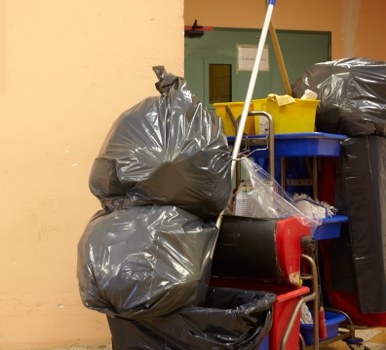
Commercial waste in Feltham needs a service that is practical, consistent and easy to understand. We handle business waste removal for workplaces that want ordinary day-to-day refuse, recyclable materials and bulkier clear-outs dealt with in a tidy way. The aim is straightforward: keep your premises clear, make waste handling less disruptive and help you move material into the right route for disposal or recovery.
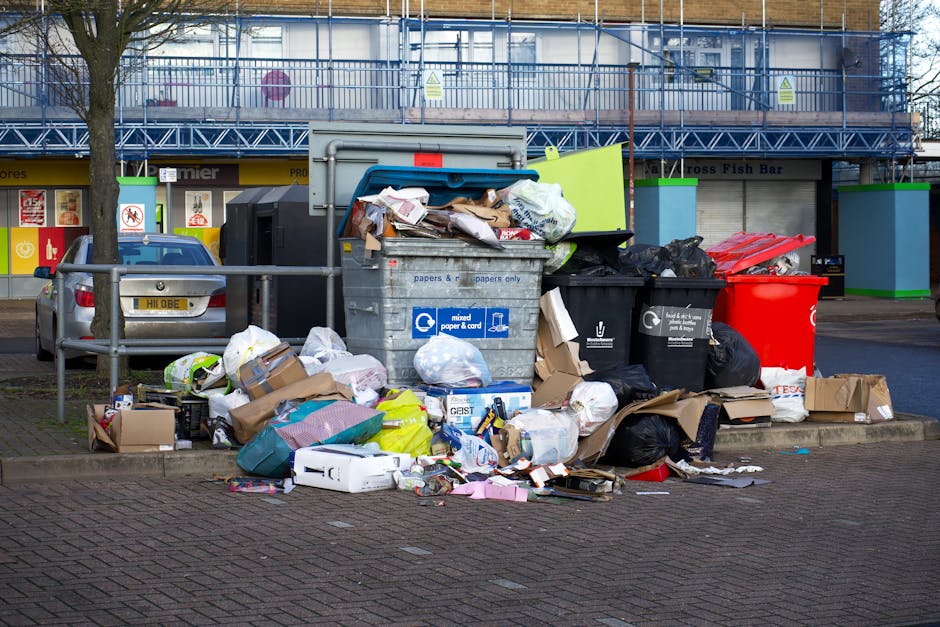
Our work covers a broad mix of commercial waste streams, from office bags and packaging to shop back-of-house waste, light maintenance debris and other non-domestic refuse. Where items need a separate handling route, we can direct them through the appropriate service rather than blending everything together. Clear sorting, careful loading and sensible collection planning are what make a waste collection feel manageable rather than disruptive.
If you need regular collections or a one-off clearance, tell us what you need removed and what access is like at the property. A brief description is enough to start the conversation, and it helps us match the collection to the waste type, volume and location. For a quick first step, make a note of the main materials and the likely timing, then ask for a quotation when you are ready.
Business waste removal that fits offices, shops and mixed premises
Business waste removal is rarely one-size-fits-all. An office may mainly produce paper, cardboard and packaging, while a retail unit may need regular collection of display material, back-room waste and the remains of stock changeovers. We keep the approach focused on the waste itself, so the collection can be planned around what has actually built up rather than relying on a generic assumption about the site. That helps the process stay efficient and avoids unnecessary handling.
For premises that generate mixed commercial refuse, separating reusable or recyclable items from general waste can make disposal more orderly. We can also deal with larger single items that are no longer needed, such as desks, shelving, fixtures or damaged equipment, when those belong with a clearance rather than an ordinary bin lift. Matching the collection method to the material keeps the job cleaner and can reduce the need for repeated visits.
What commercial waste usually includes
Typical collections may include card and packaging, paper archives for shredding or disposal, broken office furniture, waste from stock room changes, non-hazardous refurbishment debris and mixed rubbish from end-of-lease clear-outs. Some jobs are simple and some need more sorting at source. The useful question is not just how much there is, but whether any of it needs a separate treatment because of its size, condition or material type. That is why a short description of the waste is valuable before booking.
Office waste handled with minimal disruption to working routines
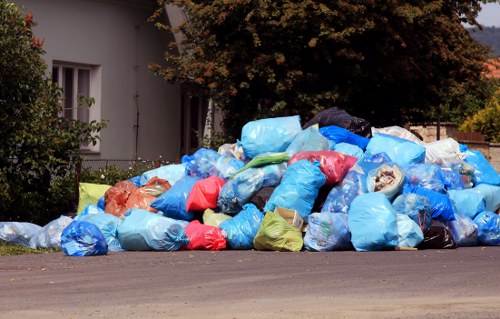
Office waste can build up quietly until cupboards, print areas and storage corners start to feel crowded. Our office waste removal service is designed for that sort of practical buildup, whether it is routine bagged rubbish, obsolete stationery, old monitors and peripherals, archived paperwork ready for disposal or worn-out furniture from a layout change. We keep the task focused on removal and onward handling rather than making the process more complicated than it needs to be.
Where office waste includes confidential material, shredding or controlled disposal may be the right route. Where it includes mixed packaging and general refuse, a straightforward collection is usually enough. The point is to keep different waste streams separate where they need to be separate, and to avoid putting reusable equipment or recoverable material into the wrong pile. If you are unsure how to present the waste, a simple inventory helps us suggest the most suitable route.
For a smoother arrangement, it is useful to identify which rooms the waste is in, whether the lift or stair access matters and whether anything needs moving from several floors. You do not need a perfect catalogue; just give enough detail to show the type of business waste and the likely volume. When you are ready, ask for a quotation and we can discuss the most suitable collection option.
Clearance for furniture, fixtures and bulky commercial items
Some commercial waste jobs are less about bags and more about awkward items that take up room and need careful lifting. Furniture clearance can cover desks, chairs, reception seating, cabinets, tables, shelving and similar items from offices, studios, clinics or retail units. We also handle furniture disposal where the items are no longer fit for reuse and need to be taken away in a controlled, tidy manner.
Bulky items are often best removed alongside the rest of the waste from the same area so that the space can be cleared in one organised visit. If a business is changing layout, replacing fittings or closing part of a site, combining the heavier pieces with the general commercial waste can make the work more efficient. That said, mixed loads still need sensible sorting so that recyclable material, reusable furniture and general disposal are each managed appropriately.
When a furniture collection is being planned, it helps to say whether the items are assembled, whether they have to come down stairs, and whether they are mixed with packaging or other refuse. That makes it easier to plan handling and loading. Small details such as a lift, narrow corridor or shared entrance can matter more than people expect, particularly when a job includes several bulky pieces.
Recycling-minded handling for waste streams that need separate treatment

Commercial waste collection works best when the different streams are treated with care rather than poured into one broad category. Some materials are suitable for recycling, some are best handled as ordinary waste, and some need an entirely separate disposal route. We can help with waste that is suitable for careful segregation, including paper, cardboard, certain plastics, metal items and other materials that are easier to process when sorted properly.
Recycling and sustainability are important because they influence how the material is assessed before disposal. A site may generate a steady flow of packaging, office paper and broken items from routine operations, and it is often possible to separate these so the waste path reflects the material itself. That is not only tidier; it also makes the process more transparent for businesses that want their waste handled with better structure.
Common recycling-minded decisions include separating cardboard from general rubbish, identifying clean versus contaminated material and keeping electrical or metal items apart from soft furnishings. The more clearly the waste is described, the easier it is to decide what can be grouped together and what should be treated separately. If you are arranging a larger clearance, a short list of categories can be more helpful than a long explanation. Use it to set the collection up cleanly, then request a quotation once the scope is clear.
About Feltham
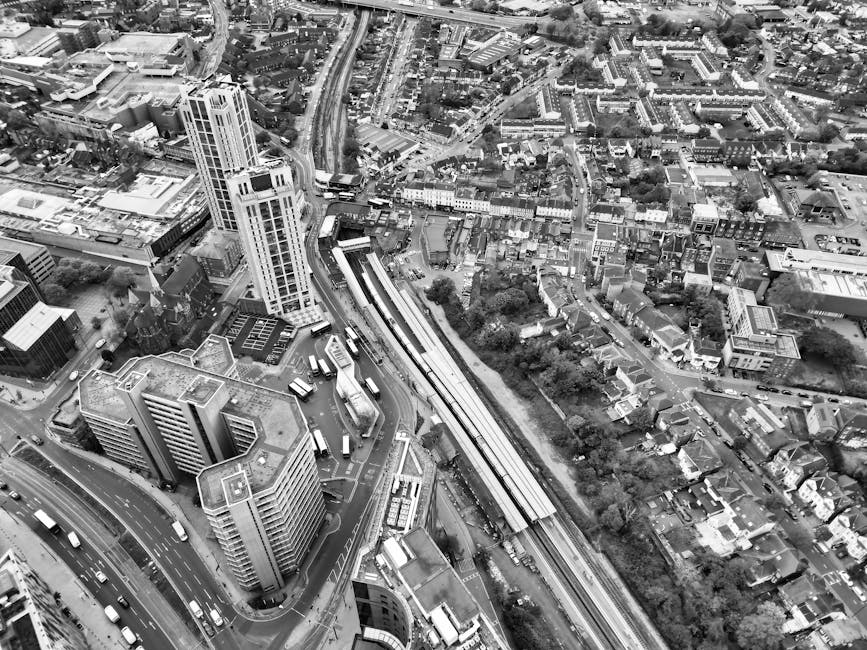
Feltham is a town in the London Borough of Hounslow, in west London, with a history shaped by its position near transport routes, market gardening and later suburban growth. The name is recorded in medieval sources, and the area developed from a largely rural settlement into a more built-up place during the nineteenth and twentieth centuries as roads, rail links and nearby employment centres drew more residents. Its setting is notably flat, which is one reason the town feels open in places despite being part of a dense metropolitan region. Feltham railway station sits on the South Western Railway network, giving the town a direct connection to central London and to neighbouring suburban destinations. The surrounding streets include a mix of housing, local shopping parades and civic buildings, with newer development sitting alongside older residential layouts that reflect different phases of expansion. Nearby open spaces such as Hanworth Park and the River Crane corridor contribute to the local landscape, while Bedfont Lakes Country Park lies close by and adds a large area of green space to the wider district. The town also has a practical relationship with Heathrow Airport to the north-west, which has influenced the economy and character of the area over time. Feltham’s public spaces, transport links and mixed urban form make it recognisable as a working west London town rather than a single-purpose district, and that blend of residential streets, retail activity and local heritage continues to define it today.
Builders, refurbishment and light construction waste
Not all commercial waste comes from offices or shops. Builders waste clearance can be needed after strip-outs, small refurbishments, fit-outs or maintenance works where debris has accumulated faster than it can be bagged and moved. This may include plasterboard, timber offcuts, broken fittings, packaging from new materials, tiles, floor coverings and general non-hazardous waste from light works. The aim is to remove what is no longer needed without turning the site into a patchwork of half-finished piles.
For construction-related clearances, access and segregation matter. Heavy material may need to be staged near the exit, and some debris should be kept apart because it belongs with a different disposal stream. If there are mixed loads, it is better to describe them honestly than to overgeneralise. That way the collection can be approached as a practical working job rather than a guess. Where the load includes both bulky and loose waste, we can treat it as one coordinated clearance where appropriate.
Useful information for this type of job includes the floor level, whether the waste is bagged or loose, and whether it is all in one room or spread across a whole unit. A brief note about any sharp or dusty material is also sensible. Clear site access and clear waste description save time for everyone and help the collection be arranged in the right order.
Specialist waste types that need separate judgment
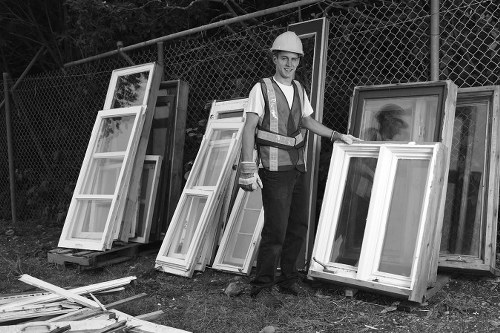
Some commercial waste should not be treated as an ordinary mixed load. Hazardous waste disposal requires more care because the material may present a risk if handled or stored incorrectly, and certain items from workplaces, maintenance activities or specialist rooms need to be identified before collection. We do not treat every unusual item the same way; instead, the right route depends on what the material is and how it should be handled.
Fridge and appliance removal can also need separate planning because large appliances are bulky and can contain components that should be processed properly. In the same way, mattress and sofa disposal may be relevant where a business has hospitality, staff accommodation or furnished premises and the item no longer belongs on site. These are distinct waste categories, and they are easier to manage when the collection request is specific about the item rather than calling everything general rubbish.
If your load includes anything that may need particular handling, describe it plainly and avoid mixing it with everyday waste in your own notes. A small number of clearly identified items is easier to deal with than a vague list. Where the collection involves several kinds of material, it can help to separate them in advance so the route for disposal or recycling is obvious. That makes the quotation stage more accurate and the removal itself more straightforward.
How to prepare a waste collection request
To arrange commercial waste removal smoothly, give a short outline of the type of material, the approximate quantity and the location it is in. You do not need to prepare a perfect inventory, but a simple count of items or bags, plus whether the waste is on one floor or several, makes a useful starting point. If the collection includes office items, furniture or mixed materials, a quick note on what can be lifted easily and what may need two people can also help.
It is also useful to mention access details such as loading bays, shared entrances, lift availability, restricted hours or any need to pass through customer areas. Those points are especially relevant for business waste removal because the collection should fit around operations rather than interrupt them. When you ask for a quotation, keep the description plain and factual. That gives a clearer picture of the work and helps the estimate reflect the real job.
What helps a quotation be more accurate
- The main waste type, such as office waste, bulky furniture, builders debris or mixed commercial rubbish.
- Whether the items are bagged, loose, stacked, dismantled or still assembled.
- How many floors are involved and whether stairs, lifts or narrow access routes apply.
- Any items that need separate treatment because they are confidential, hazardous or specialist.
Pricing factors for commercial waste work
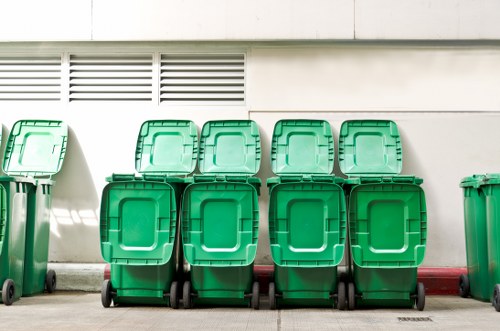
Commercial waste pricing usually reflects the amount of material, the type of waste, access conditions and the time needed to load and remove it. A straightforward office clear-out may be simpler to quote than a mixed site with bulky furniture, loose bags and items that need sorting into different disposal streams. The final figure is therefore shaped by the practical work involved rather than by a single fixed rule.
Other factors can include the number of separate rooms involved, whether items are on upper floors, and whether the waste must be moved through shared or restricted access. Where a job includes recycling-related sorting, furniture disposal or specialist items, the handling process may differ from a basic general waste collection. That is why an accurate description is better than a broad estimate based on the idea that all waste is the same.
For businesses planning ahead, it can be helpful to think in terms of categories rather than one undefined pile. Note what can be removed together, what should be separated and what is likely to stay on site. Then ask for a quotation and use it as the basis for planning the collection. If you already know the main waste groups, we can help you turn them into a workable removal plan without unnecessary complication.
Commercial waste support for ongoing clear-outs and one-off projects
Some clients need a one-off clearance after a move, refit or stock change, while others want ongoing commercial waste removal that matches a routine schedule. Both approaches depend on the same principle: keeping the site manageable by removing waste in a way that suits the type and volume of material. Regular collections can be useful where waste builds steadily, while one-off work is often the better choice where the material has accumulated because of a project or transition.
We can support different business settings by keeping the focus on what is actually present on site. That may mean mixed office waste in one case, furniture clearance in another or a larger builders waste clearance after light works elsewhere. The service remains practical and adaptable, but it is still important to identify the main load correctly so the collection is arranged sensibly. If you are comparing options, start with the material and the access, then decide how often it needs to move.
Whether you need routine collections or a single clearance, the next step is simple: gather the basic details, decide which waste categories apply and request a quotation when ready. If you want to talk through the scope first, that is fine too. For a direct start, make your enquiry and ask for a commercial waste quotation.