Feltham Station area bulky rubbish clearance case study
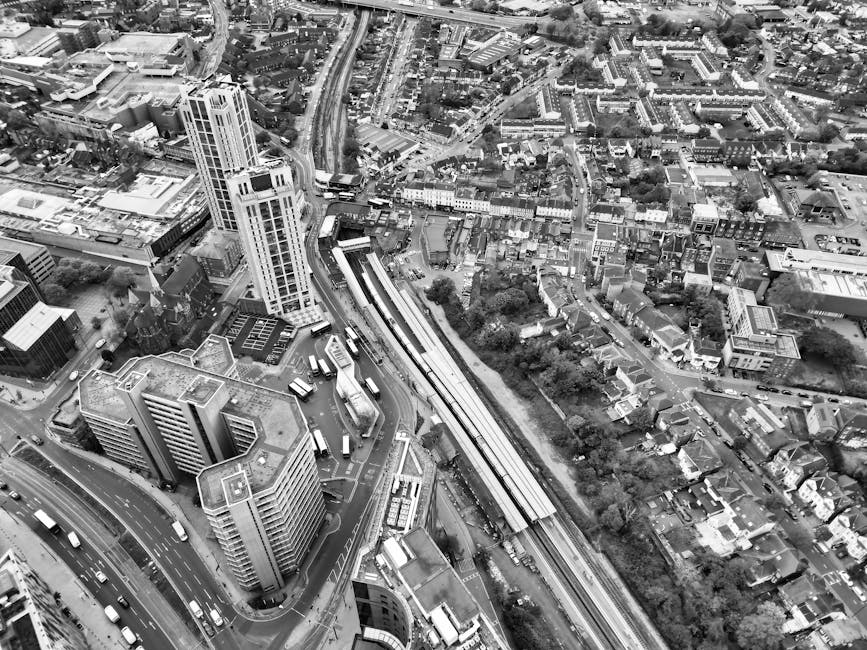
Bulky rubbish near a busy station is rarely just "a few bits to throw away." It tends to be awkward, time-sensitive, and a little messy in the most inconvenient way. In this Feltham Station area bulky rubbish clearance case study, we look at the practical side of clearing large household and mixed waste from a high-traffic local setting: what needs to be checked, how the job is typically organised, and why the difference between a smooth clearance and a chaotic one often comes down to planning.
If you have ever stood beside a sofa, broken shelves, old white goods, and a pile of random bagged waste and thought, "Right... now what?", you are in the right place. This guide breaks the process down into plain English, with a focus on local logistics, safety, disposal options, and the kind of judgement that stops a simple clearance from turning into a headache. It also shows where related services such as waste removal or furniture disposal can fit into the bigger picture when bulky items are only part of the load.
Truth be told, station-area work has its own rhythm. People are moving, parking is tighter than you would like, and access matters more than most people expect. The good news? With the right approach, bulky rubbish clearance can still be neat, efficient, and low-stress.
- Why the clearance matters
- How bulky rubbish clearance works
- Benefits and practical advantages
- Who it is for
- Step-by-step guidance
- Expert tips
- Common mistakes to avoid
- Tools, resources and recommendations
- Compliance and best practice
- Options and comparison
- Case study example
- Practical checklist
- Conclusion
- Frequently asked questions
Why Feltham Station area bulky rubbish clearance case study Matters
Bulky rubbish clearance in a station area is about more than getting rid of unwanted items. It affects footfall, safety, neighbour relations, property presentation, and even how smoothly a building or business can keep operating. Near Feltham Station, the practical challenge is usually not just volume; it is the combination of bulky waste, limited space, and the need to move everything without blocking pavements, entrances, or loading points.
That is why a case study approach is useful. It shows the logic behind the clearance rather than treating it like a generic "we turned up and took it away" story. Real-world bulky rubbish jobs often involve a mix of items: old wardrobes, mattresses, broken cabinets, boxed clutter, dismantled shelving, or awkward furniture that will not fit neatly into a car or small van. Sometimes there is also a bit of builder's debris tucked in there, which is where a more specialised builders waste clearance approach can become relevant.
In a station-side environment, people also care about timing. Nobody wants to drag a sofa across a shared entrance at 8:15 on a weekday if they can avoid it. Nobody wants a pile of waste sitting out while commuters walk past it either. That simple reality is why planning matters so much. A good clearance should reduce friction, not create a new problem.
Expert summary: The best bulky rubbish clearances around busy transport links are the ones that look uneventful from the outside. Good access checks, clear item breakdowns, sensible timing, and proper sorting make the job feel calm, even when the waste pile looks anything but calm at first glance.
How Feltham Station area bulky rubbish clearance case study Works
At a practical level, bulky rubbish clearance follows a straightforward sequence, but the detail matters. First comes the site assessment: what is being removed, where it is located, how easy it is to carry, and whether anything needs special handling. Then comes planning: vehicle access, lifting route, any restricted parking, and whether the items need dismantling before removal.
Next, the waste is separated into sensible groups. For example, reusable furniture may be kept distinct from broken material, and white goods are usually treated differently from general household clutter. This is where services like fridge and appliance removal can be relevant if the clearance includes old appliances that cannot simply be mixed in with ordinary rubbish.
After that, the collection happens in a controlled way. The team loads items carefully, checks for sharp edges or hidden weight, and avoids damaging walls, lifts, communal hallways, or nearby flooring. Finally, the waste is taken for sorting, reuse, recycling, or disposal depending on what it is and what condition it is in. If a mix of items includes furniture that still has some life left, then a dedicated page such as furniture clearance may be useful for understanding how those items are handled.
It sounds simple enough, and in a sense it is. But the difference between a tidy job and a stressful one is usually made in the first fifteen minutes. Measure twice, move once. Old saying, still works.
Key Benefits and Practical Advantages
The main value of a well-run bulky rubbish clearance is speed with control. You want the waste gone, yes, but you also want the area left safe, clear, and usable. Around a station, those benefits become even more obvious because the surroundings are already busy.
- Less disruption: A planned clearance reduces blocking, noise, and awkward waiting around.
- Better safety: Heavy items are moved with the right technique, lowering the chance of strain or injury.
- Cleaner presentation: This matters for landlords, managing agents, business units, and homeowners alike.
- Faster turnaround: Useful when a property needs to be handed back, listed, or prepared for works.
- More responsible disposal: Items can be sorted for recycling or specialist handling where needed.
There is also a quieter advantage people sometimes overlook: peace of mind. Once bulky waste starts piling up, it has a way of taking over the room, the hallway, or even the whole mood of the place. Clearing it properly restores breathing space. You notice it immediately, the way a room sounds after the clutter is gone.
For jobs involving mattresses or sofas, it can help to use a more specific route such as mattress and sofa disposal, especially when the items are too large, heavy, or worn to move casually.
Who This Is For and When It Makes Sense
Bulky rubbish clearance near Feltham Station is useful for a wide mix of people. It is not just for one-off house clear-outs. In practice, it tends to suit anyone dealing with large, awkward, or mixed waste who needs a reliable, tidy result.
- Homeowners clearing out a spare room, front garden, garage, or old furniture.
- Landlords and letting agents dealing with end-of-tenancy left-behinds.
- Flat residents where lift access, shared entrances, and narrow stairs make self-clearance difficult.
- Businesses needing a quick reset of furniture, fixtures, or storage clutter.
- Trades and contractors removing mixed waste after small refurbishments or strip-outs.
It makes sense when the waste is too bulky for ordinary bins, too awkward to move without help, or simply too much to justify a piecemeal approach. A single old wardrobe might be manageable. Add a mattress, an appliance, several bags of mixed rubbish, and a broken desk? Now you are into proper clearance territory.
For office moves or closed workspaces, you may also want to look at office clearance or, for domestic situations with a fuller property clean-out, home clearance. Different jobs, similar need: get it done without fuss.
Step-by-Step Guidance
If you are planning a bulky rubbish clearance around Feltham Station, this is the simple version of the process that usually works best.
- List everything that needs to go. Walk the space slowly. Look in corners, behind doors, under shelves, and in storage areas.
- Separate bulky items from general rubbish. Furniture, appliances, and mixed waste are often handled differently.
- Check access. Can a van stop nearby? Is there a lift? Are there stairs, narrow passages, or parking limits?
- Flag anything unusual. Broken glass, sharp metal, leaking items, or anything that could be hazardous should be mentioned early.
- Decide what can be reused, recycled, or disposed of. This keeps the clearance cleaner and often more efficient.
- Arrange a suitable time window. Around a station, early morning or quieter off-peak times can be much easier.
- Prepare the area. Move smaller items aside, clear pathways, and keep pets or residents out of the route.
- Do a final sweep. Check wardrobes, drawers, sheds, and storage spaces before the team leaves.
One practical tip: if you are not sure whether an item counts as ordinary bulky waste or something more specific, ask before the day. A short check now can save a slightly awkward moment later. Nobody wants to be standing in a hallway debating a freezer at the last minute.
Expert Tips for Better Results
In our experience, the smoothest clearance jobs are rarely the most dramatic ones. They are the ones where the small details have been handled beforehand.
Tip 1: Photograph the load before removal. Even a few quick pictures help with planning. They also make it easier to judge whether items need dismantling or special handling.
Tip 2: Group by type, not just by room. Putting all furniture together, all bags together, and all appliances together helps the team work faster. It sounds obvious, but people often skip it.
Tip 3: Keep pathways clear. A tidy route matters more than you think. A clear corridor saves time and reduces risk.
Tip 4: Watch for hidden weight. Old cabinets, filing units, and drawers can be much heavier than they look. Empty them first.
Tip 5: Be honest about what is in the pile. If there is a mixed load, say so. If there is a broken appliance or a damaged bed base, mention it. Clear communication usually means a better result.
Tip 6: Use the right disposal route for the item. A sofa is not the same as garden cuttings, and a fridge is not the same as broken flat-pack wood. Matching the item to the right disposal method saves time and avoids avoidable problems. For example, if your clearance also touches outdoor waste, a garden clearance service page may be useful context.
And one slightly silly but true point: if an item looks like it may fall apart when you touch it, it probably will. Better to handle it gently than to discover that halfway down the stairs.
Common Mistakes to Avoid
Bulky rubbish clearances go wrong for surprisingly ordinary reasons. Most of them are avoidable.
- Leaving sorting until the day of collection. This slows everything down and can create confusion.
- Underestimating access issues. Narrow staircases and awkward parking can turn a quick job into a longer one.
- Mixing in items that need special handling. Appliances, electronics, or suspect waste should be flagged early.
- Forgetting about hidden clutter. Drawers, loft corners, cupboards, and storage boxes often contain more than expected.
- Assuming every item can be treated the same. Reusable furniture, general rubbish, and specialist waste may follow different routes.
- Ignoring nearby people and timing. Around a station, a bad time slot can make everyone's day harder.
The biggest mistake is probably rushing. It is tempting, because nobody loves waste. But a rushed clearance often becomes a double-handling exercise, and that is exactly the sort of thing that wastes energy and money. Better to pause, check, then go.
Tools, Resources and Recommendations
You do not need a lot of fancy equipment to prepare for bulky rubbish clearance, but a few practical tools make life easier.
- Work gloves: Useful for checking sharp edges, damp materials, and rough timber.
- Heavy-duty sacks or boxes: Handy for smaller loose items that would otherwise scatter.
- Tape measure: Especially helpful for large furniture and restricted stairwells.
- Marker pen or labels: Great for tagging items that are staying versus going.
- Trolley or sack truck: If you are moving items yourself, this saves effort and reduces strain.
For planning and pricing, it helps to start with a clear idea of the load. If you need broader guidance on how waste jobs are typically priced or scoped, take a look at pricing and quotes. If you want to understand how waste is handled responsibly, the page on recycling and sustainability is also worth a read.
If you are unsure what belongs in a mixed load, the page what can go in a skip can help you think more clearly about general waste categories, even if you are not using a skip itself. Different service, same practical question: what should be separated, and what should not?
Law, Compliance, Standards, or Best Practice
For bulky rubbish clearance in the UK, the safest approach is to follow recognised waste-handling best practice and use proper checks rather than guesswork. You do not need to become a compliance expert yourself, but you do want to be alert to a few important basics.
First, waste should be handled and disposed of responsibly. That means the service should be clear about where waste goes, how it is sorted, and whether any items require separate handling. Second, hazardous or potentially hazardous items need care. If something looks contaminated, leaking, chemically suspect, or otherwise risky, it should not be casually mixed into ordinary rubbish.
Third, safety matters during lifting and loading. Bulky items can be heavy, unstable, or awkward, and that can create trip or strain risks in tight corridors or stairwells. Good practice is to keep routes clear, avoid rushing, and use the right lifting methods. If you want to see how a provider frames its approach, pages such as insurance and safety and health and safety policy are useful references for the sort of standards a reputable operation should think about.
Finally, if you are dealing with confidential paper or documents during a larger clear-out, do not just throw them into general waste. A service like confidential shredding is the cleaner route. It is a small detail, but these small details are what keep things orderly.
Best practice in this area is really simple: know what you have, separate what needs separating, and choose a disposal route that matches the item. Nothing flashy. Just sensible.
Options, Methods, or Comparison Table
There is more than one way to deal with bulky waste around Feltham Station. The right option depends on time, volume, access, and how much hands-on work you want to do yourself.
| Method | Best for | Strengths | Things to watch |
|---|---|---|---|
| Self-clearance | Small loads, easy access, low urgency | Direct control, no service booking | Time-consuming, lifting risk, disposal logistics are on you |
| Bulk item collection | Single or limited bulky items | Simple for one-off larger objects | Less flexible for mixed loads |
| Full clearance service | Mixed bulky rubbish, clutter, or larger tidy-ups | Efficient, tidier, less stress | Needs clearer planning and access information |
| Specialist item removal | Appliances, sofas, mattresses, or unusual items | Better handling for awkward items | May need separate sorting by item type |
For many station-area jobs, the full clearance route is the most practical. It gives enough flexibility to deal with mixed waste without making the process feel fragmented. If the load includes larger domestic furniture, a service page such as house clearance may also be a helpful match in terms of scope and expectations.
Case Study or Real-World Example
Here is a realistic example of the kind of job this topic usually covers. A property close to Feltham Station had accumulated a mixed pile of bulky rubbish after a room was emptied, some storage furniture was damaged, and a couple of older items had simply been left too long. Nothing dramatic. Just the kind of clutter that slowly grows legs and takes over a corner.
The first issue was access. The route out of the property was narrow enough that the larger items would have been awkward if they had not been checked in advance. The second issue was the mix of items: some could be moved as standard furniture, while others needed more careful handling because of weight and breakage. One item was a heavy appliance, which meant it had to be treated differently from the rest. That is where a service route aligned with fridge and appliance removal became relevant.
The job worked best because the waste was grouped before removal, the path was cleared, and the more fragile surfaces were protected as the items were moved out. Nothing glamorous happened. Which is kind of the point. The best clearances are the ones where nobody has to think too hard during the removal itself.
Afterwards, the space was easier to use immediately. You could see the floor properly again. That sounds small, but if you have lived with piled-up bulky waste for a while, you will know how much difference that makes. It changes the feel of the property straight away.
If the same situation had involved a larger workspace or trading site rather than a home, an business waste removal approach may have been the better fit, especially where speed and discretion matter.
Practical Checklist
Use this checklist before any bulky rubbish clearance in the Feltham Station area.
- Confirm which items are going and which are staying.
- Identify any very heavy, sharp, fragile, or wet items.
- Check if anything needs dismantling first.
- Measure doorways, stairwells, lifts, and tight bends if needed.
- Make sure parking or stopping arrangements are realistic.
- Separate reusable furniture from general rubbish where possible.
- Keep appliances, electronics, and suspected hazardous items flagged clearly.
- Clear hallways and protect routes through the property.
- Set a sensible collection time, especially near busy station traffic.
- Do a final walk-through before the team leaves.
A simple checklist like this prevents most of the avoidable drama. And let's face it, that is half the battle.
Get a free quote today and see how much you can save.
Conclusion
A Feltham Station area bulky rubbish clearance case study is really about practical judgement. The waste itself matters, of course, but so do access, timing, safety, and the way the job is broken down. Once those pieces are handled properly, bulky rubbish stops feeling like a huge problem and starts looking like a manageable task with a clear end point.
If you are facing a mixed load, awkward furniture, an appliance, or a cluttered room that needs sorting, the smartest step is usually to plan the clearance as a process rather than a one-off dump-and-go event. That means choosing the right method, separating items sensibly, and using the right service route for the load. Calm beats rushed every time.
And when the job is done well, the result is not just a clear space. It is a bit of relief. A proper fresh start, really. That feeling lasts.
Frequently Asked Questions
What counts as bulky rubbish in the Feltham Station area?
Bulky rubbish usually means large or awkward items that are too big for normal bins, such as sofas, wardrobes, mattresses, tables, shelving, and similar household or commercial objects.
Is bulky rubbish clearance different from general waste removal?
Yes. General waste removal often deals with smaller mixed rubbish, while bulky clearance focuses on larger items that need more space, lifting care, or specific disposal handling.
Can furniture and appliances be cleared together?
They can often be removed in the same visit, but they may need to be sorted separately for handling and disposal. Appliances, for example, may need more specific treatment than standard furniture.
What should I do before a bulky rubbish clearance?
Make a list of items, clear pathways, check access, and separate anything that is fragile, heavy, or potentially hazardous. A little preparation saves a lot of time on the day.
How do I know if an item needs special handling?
If it is leaking, contaminated, unusually heavy, sharp, electrical, or not obviously standard household waste, it is worth flagging in advance. When in doubt, ask before collection.
Is it better to choose furniture clearance or full home clearance?
If you only have a few large items, furniture clearance may be enough. If the property contains mixed clutter, extra bags, appliances, and general waste, a fuller home clearance approach can be more efficient.
What if the property is near a busy road or station entrance?
Then timing and access planning become even more important. A quieter slot can make loading safer and less disruptive for pedestrians, neighbours, and the people doing the work.
Can mattresses and sofas be removed as part of the same clearance?
Yes, they often can. These items are common in bulky waste jobs, but they are usually easier to deal with if they are identified clearly from the start.
How long does a bulky rubbish clearance usually take?
It depends on the amount of waste, access, and whether items need dismantling. A small job may be quick, while a mixed-load clearance can take longer than people expect.
What is the main mistake people make with bulky rubbish clearance?
The most common mistake is underestimating the amount of preparation needed. Even a modest pile can become awkward if access is tight or the items are not sorted properly.
Do I need to separate reusable items from rubbish?
It is a good idea. Reusable furniture or equipment may be handled differently from broken or dirty waste, and separating them early often makes the whole job cleaner and faster.
How do I choose the right service for my clearance?
Start with the item types, the volume, and the access constraints. Then match the job to the most relevant clearance option, whether that is furniture, appliance, office, garden, or a broader waste removal service.