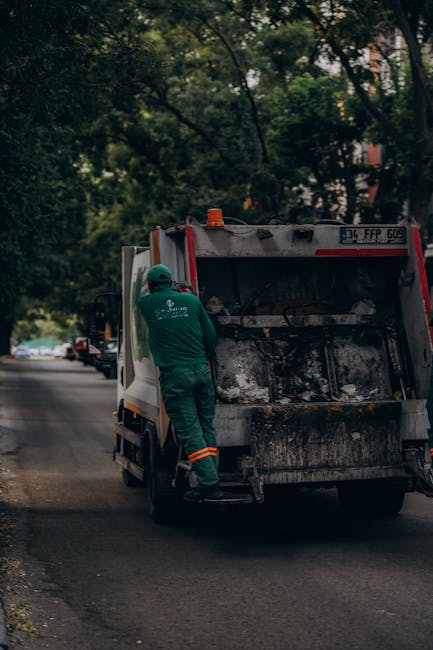
Feltham business rubbish services for shops and offices
If you run a shop, office, studio, or small commercial unit in Feltham, rubbish has a way of building up quietly and then all at once. A few broken boxes here, some old display fittings there, a pile of packaging in the back room, and suddenly the space feels tighter, messier, and harder to work in. Feltham business rubbish services for shops and offices are designed to take that pressure off, so you can keep trading, keep your premises presentable, and stop waste from becoming the thing that eats your time on a Tuesday afternoon.
In this guide, we'll look at how these services work, what they're useful for, where they save money and hassle, and what to watch out for before you book. If you want a cleaner, safer, more workable business space, you're in the right place.
Why Feltham business rubbish services for shops and offices Matters
For shops and offices, rubbish is not just an eyesore. It affects how people move, how your team works, how customers feel when they walk in, and how quickly your back-of-house space disappears. Let's face it: a cluttered stockroom or office corner has a habit of turning into a daily annoyance. That old printer, the cardboard mountain, the defunct shelving unit, the broken fridge in the staff area... it all has to go somewhere.
In a busy place like Feltham, where retail units, shared offices, warehouses, and smaller commercial spaces all operate on tight schedules, waste removal needs to be practical. You often need a service that can collect mixed business rubbish quickly, work around opening hours, and deal with awkward items without turning your day upside down.
This is especially helpful when you're:
- clearing stockroom waste after deliveries
- refreshing a shop layout
- moving office furniture around
- replacing workstations, shelving, or reception items
- dealing with a one-off clean-up after a busy period
Good waste handling also supports the customer experience. A neat entrance, a tidy staff area, and a clutter-free office send a clear message. Small detail, big difference. People notice it, even if they do not say so.
If your business also handles old furniture, fixtures, or appliances as part of a bigger clearance, it can help to look at related services such as office clearance, furniture clearance, and fridge and appliance removal so the job is handled in one organised visit rather than in stages.
How Feltham business rubbish services for shops and offices Works
Most business rubbish services for shops and offices follow a simple, structured process. The exact details vary, but the logic is usually the same: assess what needs removing, plan the collection, lift and load safely, then sort the material for disposal or recycling.
In practice, a typical job may look like this:
- You describe the waste. This might be general office rubbish, shop fittings, packaging, desks, chairs, or mixed items.
- The provider checks the job size. Some collections are small and straightforward. Others involve multiple bulky items, access issues, or time-sensitive clearance.
- You receive a price or estimate. This is usually based on volume, labour, item type, access, and any special handling needs.
- The team arrives and loads the waste. The main value here is convenience. You do not have to move everything to a skip or hire a separate crew to carry it downstairs.
- The waste is taken away and processed. Reusable or recyclable materials are typically separated where possible, while non-recyclable waste is handled appropriately.
For many businesses, this model is simpler than managing several bins or waiting for a one-off collection that arrives only when the waste has already become a problem. And frankly, nobody wants a back office that looks like it lost an argument with a cardboard warehouse.
If you are comparing service types, it may also help to understand the difference between a general waste removal visit and a more targeted commercial clearance. Waste removal is often the broader option, while clearance can be better for furniture-heavy or office-specific jobs.
Key Benefits and Practical Advantages
The best reason to use a local business rubbish service is not just speed. It is control. You regain control over the workspace, over the timing, and over the mess that can otherwise spread into every corner.
Here are the main advantages shops and offices usually care about most:
- Less disruption: collections can often be planned around trading hours, staff shifts, or quieter periods.
- Better use of space: once old items are gone, stockrooms, corridors, and back offices work properly again.
- Safer premises: fewer trip hazards, fewer blocked fire exits, and less chance of someone stacking waste in the wrong place.
- Cleaner presentation: especially important for retail units, showrooms, and reception areas.
- More efficient refreshes: if you are rebranding, re-merchandising, or updating office furniture, waste can be cleared in the same flow.
- Better environmental handling: recyclable material can be separated instead of being mixed into one big, unhelpful pile.
There is also a quiet financial advantage. The longer clutter stays on site, the more likely it is to slow operations. A cramped storeroom can lead to inefficient stock handling. An overcrowded office can make moving desks, filing, or IT equipment awkward. And awkward usually means wasted time.
Expert summary: For shops and offices, the right rubbish service is not only about disposal. It is about keeping the business usable, presentable, and easier to run day after day.
If sustainability matters to your business, you may also want to review recycling and sustainability. Even simple choices, like separating cardboard and reusable office items before collection, can improve the outcome without adding much effort.
Who This Is For and When It Makes Sense
This kind of service is useful for a wide range of businesses, not just larger offices. In fact, some of the most common users are small and medium-sized premises that do not have room, staff time, or storage capacity to deal with waste in-house.
Typical users include:
- independent shops and chain stores
- estate agents and small professional offices
- cafes and hospitality premises with light commercial waste
- salons, clinics, and treatment rooms
- small warehouses and trade counters
- co-working spaces and serviced offices
It makes sense when waste starts doing one of three things: taking up too much room, creating a safety issue, or getting in the way of normal work. That might be a burst of packaging after a delivery day, or a bigger one-off event such as an office fit-out, a store refit, or end-of-lease clearance.
A good rule of thumb? If staff keep walking around something for more than a few days, it probably needs a proper plan. Not dramatic, just practical.
For premises with old desks, broken chairs, or reception furniture that needs shifting as part of the same project, office clearance is often the most sensible starting point. If you have mixed items rather than just rubbish sacks, that route can be cleaner and easier than trying to piece it together yourself.
Step-by-Step Guidance
If you want the smoothest possible collection, a little prep goes a long way. You do not need to overthink it, but a simple plan helps the whole job move faster. Here is the approach we would recommend in real life.
1. Separate what stays and what goes
Start with the obvious. Mark items that are definitely waste, items that could be reused, and items you still need to keep on site. This prevents accidental disposal and avoids that awkward moment when someone realises the good monitor went out with the broken one. Happens more often than people admit.
2. Identify bulky or awkward items early
Desks, shelving, shop counters, cabinets, broken appliances, and boxed-up archive material can all change the collection plan. If there are heavy items or anything that needs two people to move safely, mention it at the quoting stage.
3. Flag any special waste
Some materials need extra attention. For example, fridges, certain appliances, or potentially hazardous items should not be treated like ordinary rubbish. If you are unsure, ask before collection rather than after. It saves time and reduces risk.
4. Clear access routes
Make sure the team can get to the waste without weaving around boxes, stock trolleys, or locked internal doors. If your premises have tight stairs, loading restrictions, or limited parking, say so early. That one detail can change the whole day.
5. Decide on timing
For shops, the best collection times are often before opening, after closing, or during quieter trading windows. For offices, early morning or late afternoon can work well. Choose a time when staff disruption will be lowest.
6. Ask about recycling and sorting
It is sensible to ask how waste is handled after collection. Mixed waste does not always mean mixed disposal. Services with a recycling focus can often separate suitable materials, which is better for both the business and the environment.
7. Keep a record for your own files
Even if you are only dealing with one-off waste, keep notes of what was removed, when, and by whom. That can help with internal reporting, property handovers, or general business housekeeping. Nothing fancy. Just a tidy paper trail.
Expert Tips for Better Results
A few small habits make these collections smoother and, usually, cheaper. None of this is complicated. That is the point.
- Group similar items together. Cardboard with cardboard, office furniture with office furniture. It helps the crew work faster and can improve recycling outcomes.
- Be accurate about volume. A slightly underestimated load can change the price or require a second trip. Better to be honest up front.
- Take photos if the job is awkward. A quick image can explain access issues, basement storage, or mixed waste faster than a long phone call.
- Choose a quiet time. This is especially useful in retail. Fewer customers, fewer interruptions, less faff.
- Think in zones. Work out which area is the priority: stockroom, office, staff area, storefront, or cellar. Tackle the worst bottleneck first.
One useful habit is to keep a small "overflow" zone in the premises for waste that is due to be collected. That prevents random stacking in corridors or behind tills, which is where problems start. A boring idea, maybe. But very effective.
If your clear-out involves old chairs, tables, cabinets, or similar pieces, services linked to furniture disposal can be a neat fit. And if you are refreshing the whole front end, not just the rubbish, it can be worth thinking about furniture clearance as part of the same job.
Common Mistakes to Avoid
Most issues with business rubbish collections are avoidable. Usually they come down to poor preparation or vague communication. The good news is that both are fixable.
- Leaving the job description too vague. "A bit of waste" is not enough if the pile includes desks, a fridge, and seven bags of office paper.
- Forgetting access constraints. Narrow stairwells, parking restrictions, loading bays, and security gates all matter.
- Mixing hazardous items with general rubbish. Some waste needs separate handling. Do not assume everything can go together.
- Waiting until the space is unusable. If waste is already affecting trading or safety, the delay has cost you something.
- Not checking what is included. Labour, loading, disposal type, and special item handling should be clear before the visit.
Another common slip: assuming a service that suits a home will suit a shop or office. It often won't. Business premises have different pressures, different timings, and a stronger need for reliability. A service that understands that can save a lot of noise.
Tools, Resources and Recommendations
You do not need a complicated toolkit to manage rubbish well, but a few simple things help:
- Basic labels or tape: mark items for disposal, reuse, or retention.
- A quick photo log: useful for quotes and internal records.
- Simple inventory notes: especially handy for office moves or stockroom clear-outs.
- Secure bins or crates: for paper waste and sensitive materials awaiting shredding or removal.
- Staff instructions: one short message can stop waste from being moved back and forth all day.
For paperwork-heavy businesses, confidential handling matters too. Old client files, printed invoices, and discarded records should not be left sitting in general waste. If that is part of your workload, confidential shredding is a sensible service to review alongside general collection.
And if your rubbish includes items that need careful handling, such as certain appliances or anything you would not want to guess your way through, check the provider's approach to hazardous waste disposal. Better safe than sorry, honestly.
Law, Compliance, Standards, or Best Practice
Commercial waste in the UK should be handled carefully and responsibly. You do not need to become a waste expert, but you do need to take duty of care seriously. In plain English, that means choosing a reputable provider, understanding what is being removed, and making sure waste is not handed over blindly without any thought to where it ends up.
For shops and offices, best practice usually includes:
- using a provider that explains what they take and how they handle different waste streams
- keeping internal records of waste collections where useful for business admin
- separating recyclable and non-recyclable material where practical
- keeping walkways, exits, and work areas free from waste build-up
- making sure staff know not to mix confidential or special items into ordinary rubbish
It is also worth checking broader business policies if your premises are part of a larger organisation. A provider that takes health and safety policy seriously and supports proper handling practices is usually a better fit than one that treats every job as a rushed one-off.
Trust signals matter here. Insurance, clear procedures, and straightforward terms are all useful markers. If you want to understand how a provider approaches risk and responsibility, pages like insurance and safety and terms and conditions can tell you a lot about the standard of service before you book.
Privacy matters too, especially for offices and any business dealing with paperwork. It is sensible to know how personal data is handled and what happens to records, even when those records are being disposed of. That is part of good housekeeping, not just compliance theatre.
Options, Methods, or Comparison Table
If you are deciding how to remove waste from a shop or office, the best option depends on volume, timing, item type, and how much lifting you want to do yourself. Here is a simple comparison to make the decision easier.
| Option | Best for | Pros | Limitations |
|---|---|---|---|
| One-off business rubbish collection | Mixed waste, short-term clear-outs, occasional overflow | Flexible, quick, minimal disruption | May be less suitable for ongoing high-volume waste |
| Office or furniture clearance | Desks, chairs, cabinets, old fit-out items | Good for bulky items and workspace resets | Not designed for everyday bin waste |
| General waste removal | Routine non-bulky commercial waste | Broad and simple to arrange | May not cover specialised items |
| Project-specific clearance | Refits, relocations, end-of-lease jobs | Can handle larger, messier jobs in one go | Needs better planning and item details |
If your job looks like a mixed clear-out rather than just bin waste, it is usually better to plan it as a clearance. If it is mainly packaging and general rubbish, a simpler waste collection may be all you need. Pretty straightforward, but people often overcomplicate it.
Case Study or Real-World Example
Imagine a small shop in Feltham that has just finished a seasonal refresh. The team has removed old display stands, folded down cardboard from new stock deliveries, replaced a damaged counter shelf, and pushed several broken storage items into the back room "for later." By Thursday afternoon, the back room is hard to enter, and staff are starting to stack more boxes in the corridor.
That is exactly the point where a business rubbish service becomes more than just convenient. The job is not only about removing waste. It is about restoring usable space quickly, before the clutter starts affecting daily work.
In a situation like that, the sensible approach would be:
- separate cardboard from bulky items
- identify anything fragile or awkward
- flag access restrictions, such as a narrow rear entrance
- book a collection at a quiet trading time
- ask whether old fixtures and furniture can be taken in the same visit
The result is simple: staff get their space back, customers never see the mess, and the shop can get on with trading. No drama. No lingering pile in the corner. Just a better working day.
A similar pattern applies in offices. A few broken desks, a stack of redundant files, and some old IT peripherals can quietly eat up half a room. Clear it properly, and suddenly the whole place feels lighter. You notice the difference straight away, especially on a grey morning when everything else already feels a bit too busy.
Practical Checklist
Use this before booking Feltham business rubbish services for shops and offices.
- Have you listed everything that needs removing?
- Have you separated reusable items from waste?
- Do you know whether any items need special handling?
- Have you checked access, parking, and loading routes?
- Have you chosen a collection time that reduces disruption?
- Have you thought about recycling opportunities?
- Are confidential papers being handled separately?
- Do you know what is included in the price?
- Have staff been told where to place items before collection?
- Is there a contact person on site on the day?
If you can tick most of those off, you are already ahead of the game. Not perfect, just prepared. That is enough.
Get a free quote today and see how much you can save.
Conclusion
Feltham business rubbish services for shops and offices are at their best when they make life simpler, not more complicated. Whether you are clearing a stockroom, refreshing an office, removing old furniture, or just dealing with the steady creep of everyday waste, the right service can save time, protect safety, and keep your premises looking professional.
The biggest win is usually space. The second biggest is peace of mind. Once the clutter goes, work tends to feel easier. You move better, think better, and the place just feels more under control. Truth be told, that matters more than people expect.
If you want to take the next step, start with a clear list of what needs removing, then compare your options calmly. A good provider should make the process feel straightforward from the first conversation to the final sweep-up. And if that happens, brilliant. That is exactly how it should be.
Frequently Asked Questions
What counts as business rubbish for a shop or office?
Business rubbish usually includes packaging, office clutter, broken furniture, worn fixtures, storage waste, old displays, and general non-domestic waste created through daily operations. Some items can be collected as part of a standard removal, while others may need separate handling.
How is business rubbish different from regular household waste?
Commercial waste is produced by a business rather than a home, so it often comes in larger volumes and may include office furniture, stock packaging, confidential paperwork, or specialist items. It is usually handled differently from domestic rubbish for compliance and practical reasons.
Can shops and offices book one-off rubbish removal?
Yes. One-off collections are common, especially after refits, stock changes, office moves, or end-of-lease clear-outs. They are often the easiest choice when waste builds up quickly and you do not need a recurring collection.
Do I need to sort waste before collection?
You do not always need to sort everything perfectly, but separating obvious categories such as cardboard, furniture, confidential paper, and special items can help the collection run more smoothly. It can also improve recycling outcomes and make pricing clearer.
What should I do with old office furniture?
Old desks, chairs, cabinets, and storage units are often best handled through an office or furniture clearance service rather than ordinary rubbish collection. That approach is usually more efficient for bulky items and less stressful for staff.
Can confidential documents be removed safely?
Yes, but they should be treated separately from general waste. Confidential shredding is the safer route for files, printouts, and records that should not be left in ordinary bins or mixed loads.
How do I know if an item is hazardous?
If an item contains chemicals, sharp residues, pressurised components, or anything you would not want handled as ordinary rubbish, check before placing it in a collection. When in doubt, ask for guidance rather than guessing. That is the sensible move.
Will the team remove rubbish from inside the building?
In many cases, yes. A business rubbish service is often designed to load items from inside the shop or office, which is one reason it is so useful. Access details, stairs, and parking restrictions should be mentioned beforehand.
What affects the cost of a business rubbish collection?
Common pricing factors include volume, labour, item type, access difficulty, and whether any items need special handling. The more accurately you describe the job in advance, the easier it is to get a clear price.
Is recycling possible with mixed business waste?
Often, yes. Many collections can separate suitable materials such as cardboard, some metals, and certain reusable items. If recycling matters to your business, ask how the provider handles sorting and disposal.
When is the best time to arrange a collection for a shop?
Usually the best time is outside peak trading hours, early morning, late evening, or during a quieter weekday slot. The aim is simple: keep the collection from getting in the way of customers and staff.
Why choose a local Feltham provider for rubbish services?
A local provider is often more flexible with timing, access, and short-notice jobs. That can make a big difference for shops and offices that need waste removed without turning the day into a logistical puzzle.
For more about the team behind the service, you can also review about us and, if you are ready to arrange a collection, use book online when it suits you. If you want to discuss a specific job, the safest next step is to use the site's contact route and share a clear description of the waste, access, and timing.